
Managing Golf Turf Under Drought Conditions
By Michael Goatley, Jr., Professor and Extension Turfgrass Specialist, Virginia Tech
Long range forecasts from NOAA extend the drought of 2026 into September for most of the state of Virginia. Even for those that have access to water that is generally in plentiful supply, this forecast will/should change how water is going to be used on the golf course. Some things for golfers to understand as well as possibly notice around the course as the superintendent and turf management team navigate the heat and drought conditions of the summer:
- Drier, firmer playing surfaces. The superintendent and management team will shift their irrigation focus very much towards the putting greens and tees and their special watering needs rather than routine irrigation of fairways. Be it good or bad, your tee shots are going to likely roll farther and bounce a bit wackier under these conditions. The challenges will be more prevalent on courses that are primarily grassed in cool-season turf. Keep in mind that the superintendent walks a very fine line under these environmental conditions in doing the best they can to provide the golfer the best playing surface possible, but not at the expense of losing grass.
- While the simple fact of having enough water is first and foremost on our minds, your superintendent is very much also keeping in mind that water quality is also a factor in growing healthy turf. We throw around the term “water” as if all sources are the same, but no doubt there are big differences in pH, salt and bicarbonate levels, other chemicals, etc. and in general, there is no replacing the value of an old fashioned soaking rainfall event in terms of improving water quality in irrigation ponds and the response that the grass roots will have in the soil.
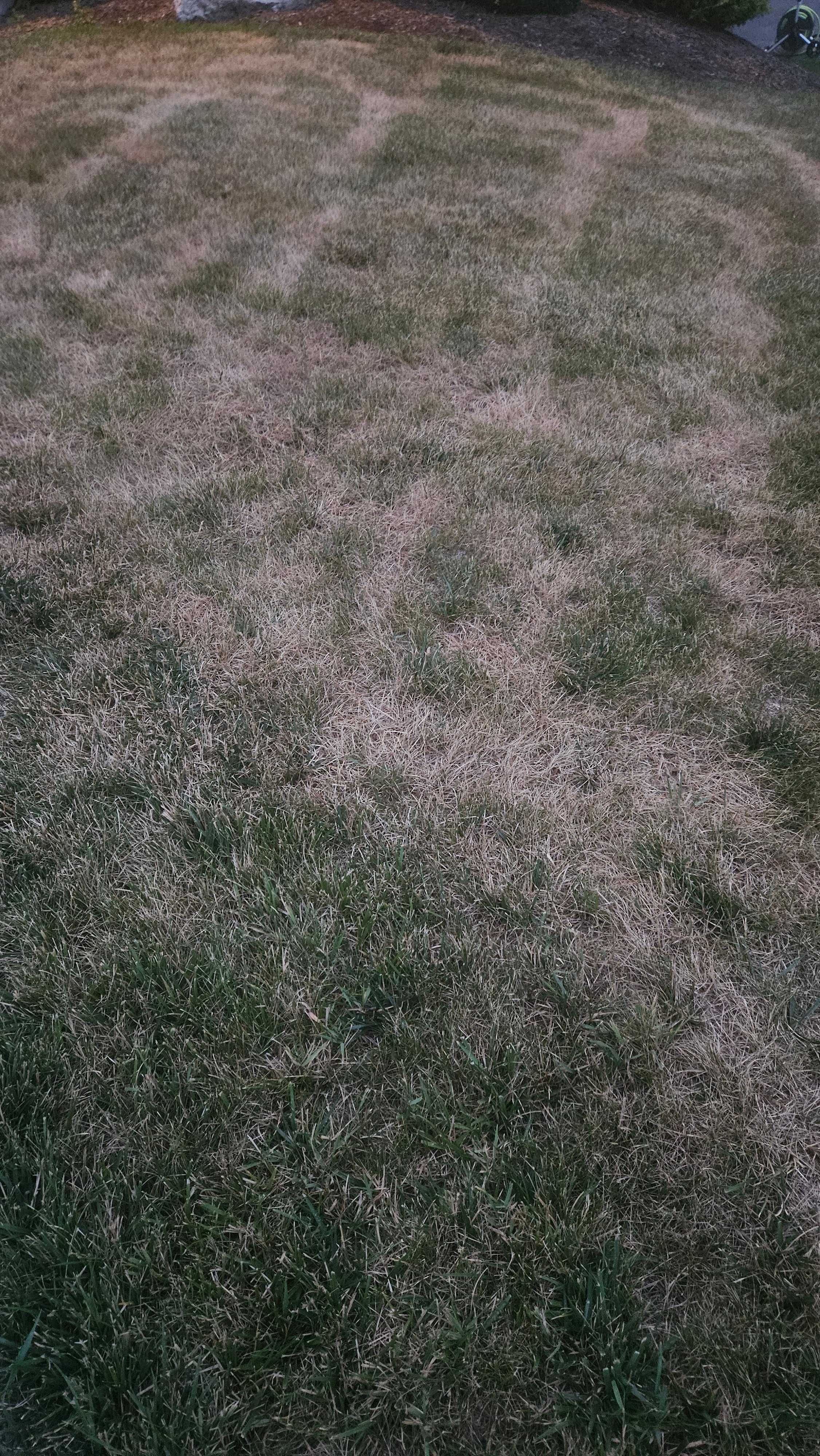
- Grass will trend more towards what superintendents often term “tournament brown” in color rather than a lush green appearance. Until drought becomes extreme, managing grass under drier conditions can actually produce healthier turfgrass as long as your facility is fortunate to have adequate amounts of supplemental irrigation. Why is this? The superintendent is in charge of moisture management and can give the plants only what they need in terms of water, thus reducing disease pressure.
- Where budgets allow, your superintendent might be treating the soil with some form of a wetting agent or soil penetrant in order to improve soil water dynamics; these chemicals are not a replacement for rainfall, but they can improve soil wetting and water use efficiency.
- “They should raise the cutting height” is a common thought under drought conditions, and there is a scientific basis for this recommendation, but reality shows that during the middle of a drought is NOT the time to raise the cutting height of the turfgrass. Those adjustments should have taken place prior to the onset of the drought period and would just be standard maintenance practice as the season changes.
- Instead of raising cutting heights, what might be requested by your golf turf management crew is to restrict or alter traffic in some areas. For instance, if your course has bermudagrass fairways and cool-season roughs, it might be that golfers are asked to specifically drive on the fairways rather than the rough!
- And under extreme drought, it is likely that certain areas of the golf course (in particular, the rough) will go unmown for extended periods or you might be asked to adhere to “cart path only” restrictions to keep from further damaging the turf.
- If all signs point to your club facing some very difficult challenges due to a shortage of water, don’t hide from the reality of the situation. Keeping the greens alive becomes the ultimate goal in these situations, and some level of sacrifice of desired playability (or even grass) by the golfer is necessary. While it won’t solve the situation at hand, it is often these types of situations that result in clubs making some very important decisions to ensure future drought events aren’t as challenging.
Talk to your golf turf management team about the ways that they are managing the turf under drought conditions. It’s likely that you can learn a few tips on water conservation and water use efficiency that you can implement around your own lawn, as well as help educate others in how to navigate one of Mother Nature’s most serious challenges to quality playing conditions on the course when the rains simply do not come.